
Concerns
Volume Loss
Volume shapes the face more than lines do.
What's happening beneath the skin
What's happening beneath the skin
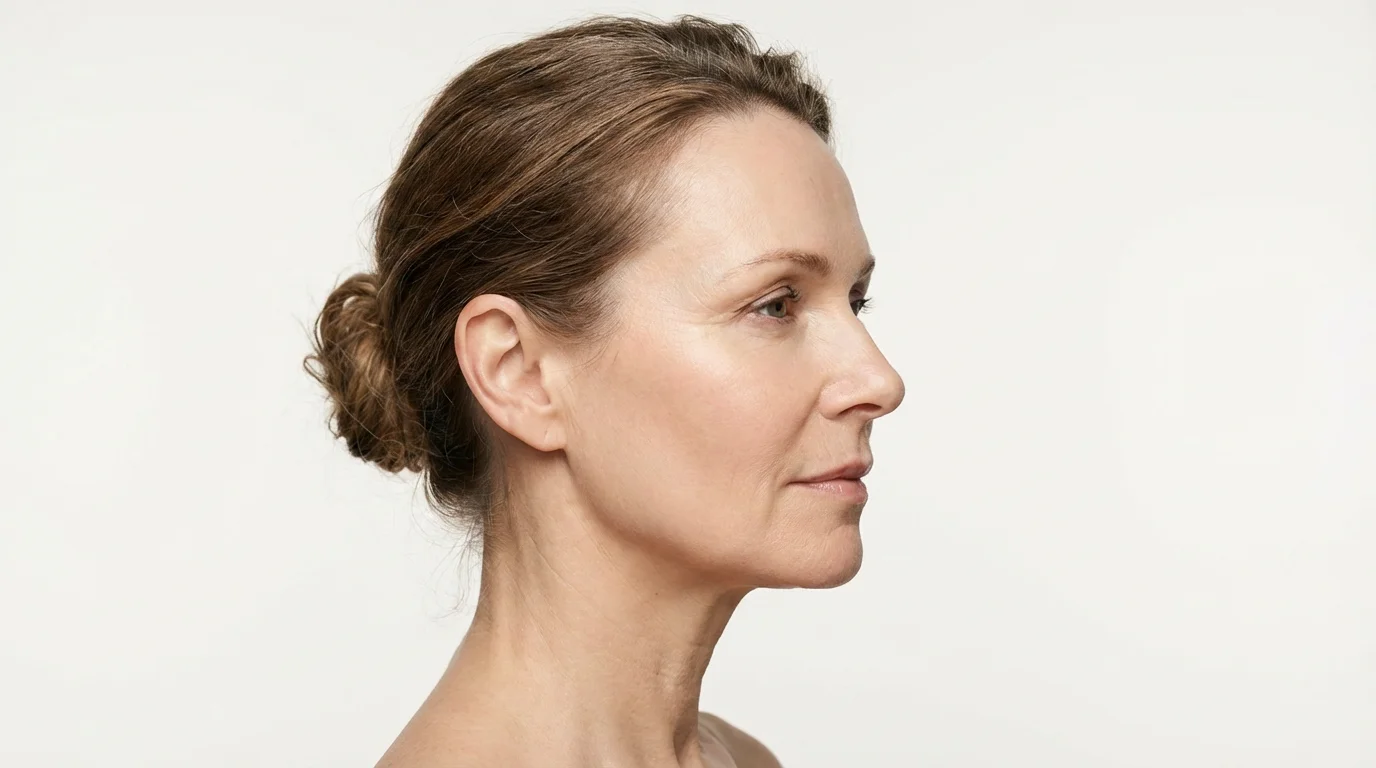
Facial volume loss is one of the earliest and most significant drivers of an aged appearance. It changes the proportions and shadows of the face in ways that make a person look tired or drawn, often before lines and wrinkles become the dominant concern.
The face is structured in layers: skin on the surface, fat compartments beneath it, muscle below that, and bone at the foundation. Volume loss affects all of these layers, though at different rates and in different areas.
The subcutaneous fat compartments in the face are discrete zones that deflate unevenly with age. The temples hollow first for many people, followed by the under-eye area and the midface. As these fat pads shrink, the overlying skin loses its support and begins to sag and fold. Collagen loss in the dermis simultaneously reduces skin thickness and resilience, compounding the effect.
Bone resorption adds a third layer of change. The orbital rim, midface, and jaw progressively lose bone density with age, reducing the skeletal scaffold that the soft tissue rests on. The result is a face that looks progressively less supported from within.
Causes
Causes
Intrinsic ageing and the natural atrophy of facial fat compartments over time is the primary driver.
Bone resorption, which begins in the mid-thirties and accelerates with hormonal changes, reduces the underlying structural support.
Rapid or significant weight loss removes volume faster than the skin and surrounding tissue can adapt. This is increasingly relevant with the wider use of GLP-1 medications for weight management.
Hormonal changes, particularly the decline in oestrogen during perimenopause and menopause, accelerate both fat atrophy and collagen loss in the face. Genetic factors influence where volume is lost first and how quickly.
Daily & Ongoing Care
Daily & Ongoing Care
Volume loss cannot be reversed through skincare alone, but consistent daily care slows the rate of collagen and structural change, and supports the best possible outcome from professional treatment.
At home:
- SPF 50 or higher daily. UV radiation accelerates collagen degradation and the structural changes that contribute to volume loss.
- Retinoids stimulate collagen production and slow dermal thinning over time with consistent use.
- Vitamin C supports collagen synthesis and provides antioxidant protection.
- Peptides signal the skin to produce more collagen and elastin, and are well tolerated alongside other actives.
- Maintaining a stable weight where possible reduces the cycle of volume gain and loss that stresses facial fat compartments.
Professional treatments:
- Dermal Fillers restore lost volume directly, improving hollowing in the under-eye area, cheeks, temples, and jawline with immediate results.
- Biostimulators such as Sculptra and Radiesse work by stimulating the body's own collagen production rather than adding immediate volume. Results develop over months and tend to last longer than hyaluronic acid fillers.
- A combination approach using both fillers for immediate correction and biostimulators for long-term structural support is often the most effective strategy.
Related
Related Resources
Depending on the type and severity of acne, clinicians may recommend one or a combination of the following treatments:

Not sure what’s right for you?
Schedule a complimentary consultation with our experts to discuss your needs
ARTICLES
Related Articles

What Are Biostimulators? (and Why They Are a Big Deal)
Biostimulators don't replace lost volume. They prompt the body to build its own collagen. The result takes longer to appear and, in most patients, looks better when it does.

Botox and Fillers: The Best Combination Since Peanut Butter and Jelly
Why neuromodulators and dermal fillers still dominate aesthetic medicine, and what patients starting today should know about the category.

Everyone Wants a Natural Outcome… So Why Isn’t Everyone Getting One?
The demand for natural results has never been higher. The rate of overdone outcomes has not dropped. What is happening, and what to look for in a provider who can actually deliver.